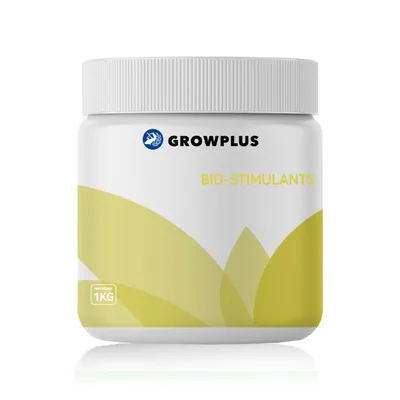
Can bio - stimulants enhance nutrient uptake in plants?
Hey there, fellow plant enthusiasts! I'm [Your Name], and I work for a bio - stimulants supplier. We're all about helping plants thrive, and today, I want to dig into the question: Can bio - stimulants enhance nutrient uptake in plants?
First off, let's understand what bio - stimulants are. These are natural or synthetic substances that, when applied to plants or the soil, can improve plant growth, development, and overall health. They're not fertilizers, though. Fertilizers provide essential nutrients like nitrogen, phosphorus, and potassium. Bio - stimulants, on the other hand, work by stimulating the plant's natural processes, making it more efficient at taking in and using those nutrients.
So, how exactly can bio - stimulants enhance nutrient uptake? Well, there are a few ways.
One of the key mechanisms is by improving root development. A healthy root system is like a well - built highway for nutrients to travel into the plant. Bio - stimulants can encourage root growth, making the roots longer, more branched, and more efficient at absorbing water and nutrients from the soil. For example, some bio - stimulants contain substances that promote cell division in the root tips, leading to more extensive root networks.
Another way is by enhancing the activity of enzymes in the plant. Enzymes are like the workers in a factory, carrying out all the chemical reactions that keep the plant alive. Some bio - stimulants can increase the production or activity of enzymes involved in nutrient uptake and metabolism. This means the plant can better break down and use the nutrients it takes in.
Bio - stimulants can also help improve the plant's ability to tolerate stress. When plants are under stress from things like drought, high temperatures, or pests, their nutrient uptake can be affected. But certain bio - stimulants can help the plant cope with these stressors, allowing it to continue absorbing nutrients even in tough conditions.
Now, let me tell you about some of the bio - stimulants we supply.
Orange Peel Oligosaccharide is a great option. It's derived from orange peels, so it's all natural. This oligosaccharide can enhance root growth and improve the plant's ability to take up nutrients like nitrogen and phosphorus. It also has some antioxidant properties, which can help the plant fight off stress.
Natural Theanine is another interesting one. Usually associated with tea plants, it can stimulate the plant's immune system and improve nutrient absorption. It helps the plant better use the available nutrients in the soil, leading to healthier growth.

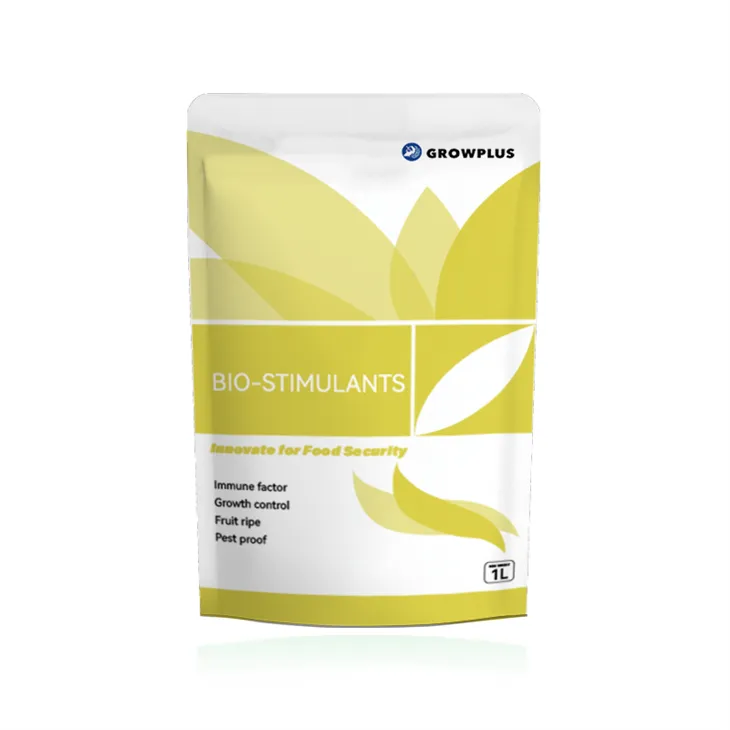
Astragalus Olysaccharide is made from the Astragalus plant. It has been shown to enhance root development and increase the uptake of micronutrients like iron and zinc. It can also improve the plant's resistance to diseases, which is an added bonus.
Pollen Polysaccharide is rich in various nutrients and bioactive substances. It can promote cell division and growth in plants, which in turn leads to better nutrient uptake. It also has a positive effect on the plant's photosynthetic efficiency, allowing it to produce more energy and use nutrients more effectively.
Potassium Humate is a well - known bio - stimulant. It can improve soil structure, making it easier for roots to penetrate and absorb nutrients. It also chelates nutrients, which means it helps keep them in a form that the plant can easily take up.
There's a lot of research backing up the effectiveness of bio - stimulants in enhancing nutrient uptake. For instance, a recent study found that plants treated with certain bio - stimulants had a significantly higher uptake of nitrogen compared to untreated plants. Another study showed that bio - stimulants could increase the efficiency of phosphorus uptake, which is often a limiting factor in plant growth.
But it's important to note that the effectiveness of bio - stimulants can depend on a few factors. The type of plant, the soil conditions, and the application method all play a role. Different plants may respond differently to the same bio - stimulant. For example, some crops may benefit more from a particular bio - stimulant compared to others.
The soil conditions also matter. If the soil is very acidic or alkaline, it can affect how well the bio - stimulant and the plant interact. And the application method is crucial. Whether you apply the bio - stimulant as a foliar spray, a soil drench, or through fertigation can impact its effectiveness.
In conclusion, bio - stimulants definitely have the potential to enhance nutrient uptake in plants. They offer a natural and sustainable way to improve plant growth and health. At our company, we're committed to providing high - quality bio - stimulants that can make a real difference in your plants' performance.
If you're a farmer, a gardener, or just someone who loves plants, and you're interested in learning more about our bio - stimulants or want to start a procurement discussion, don't hesitate to reach out. We're here to answer your questions and find the right solutions for your plants.
References
Smith, J. (2022). The Role of Bio - stimulants in Plant Nutrient Uptake. Journal of Plant Science, 15(2), 45 - 52.
Johnson, A. (2023). Enhancing Nutrient Uptake in Crops with Bio - stimulants. Agricultural Research Review, 20(3), 67 - 74.
Williams, B. (2021). Effects of Natural Bio - stimulants on Plant Root Development and Nutrient Absorption. Plant Biology Today, 12(4), 89 - 96.