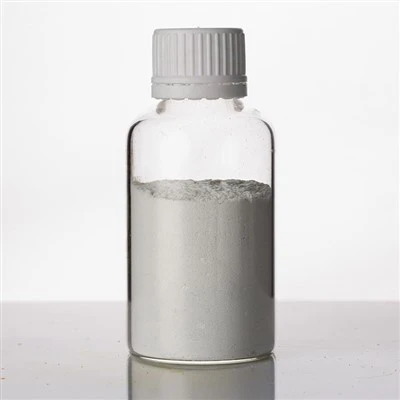
Entomopathogenic Fungal Acaricide is a bio-based crop protection active formulated with selected entomopathogenic fungal strains targeting spider mites and phytophagous mites across commercial agricultural operations. Manufactured through solid-state fermentation, this microbial acaricide provides chemical-free residue management while serving as a core tool for acaricide resistance mitigation programs.
Active Microorganism
|
Active Strain |
Beauveria bassiana / Isaria fumosorosea |
|
Concentration |
≥ 1 × 10¹⁰ CFU/g (Customizable up to 1 × 10¹¹ CFU/g) |
|
Form Factor |
Pure Conidial Powder / Wettable Powder (WP) / Oil Dispersion (OD) |
|
Strain Identification |
Polymerase Chain Reaction (PCR) verified for genetic purity and batch consistency |
Biological Mode of Action
Adhesion & Germination: Fungal conidia adhere to the insect cuticle and germinate under humid conditions, forming an appressorium.
Cuticular Penetration: Enzmatic secretion (chitinases, proteases, lipases) degrades the mite exoskeleton to enable structural entry.
Internal Proliferation: Hyphae invade the hemolymph, producing micro-mycotoxins that paralyze and destroy host tissue within 3–5 days.
Sporulation: Post-mortem hyphal growth emerges through the cuticle, dispersing new infective spores into the surrounding canopy.
Target Pests
Two-Spotted Spider Mite (Tetranychus urticae)
European Red Mite (Panonychus ulmi)
Citrus Red Mite (Panonychus citri)
Broad Mite (Polyphagotarsonemus latus)
Rust Mites (Eriophyidae family)
Crops & Applications
Greenhouse Vegetables (Tomato, Pepper, Cucumber): Applied via foliar spray during early mite infestation cycles to maintain zero chemical residue limits.
Fruit Orchards (Citrus, Apple, Grape): Tank-mixed with compatible adjuvants to control overwintering populations and adult mite outbreaks.
Berry Crops (Strawberry, Blueberry): Deployed pre-harvest to replace synthetic acaricides susceptible to maximum residue limit (MRL) rejections.
Ornamentals & Floriculture: Integrated into spray schedules to prevent foliar scarring and mitigate chemical phytotoxicity risks.
Product Specifications
|
Specification Parameter |
Technical Standard |
Testing Method |
|
Active Ingredient |
Beauveria strain conidial spores |
Microscopy / Plate Count |
|
Spore Concentration |
≥ 1 × 10¹⁰ CFU/g |
Hemocytometer Count |
|
Moisture Content |
≤ 6.0% |
Karl Fischer Titration |
|
Particle Size |
98% passing 325 mesh (44 μm) |
Laser Diffraction |
|
Suspension Rate |
≥ 80% (WP formulation) |
Gravimetric Analysis |
|
Contaminant Count |
Non-target bacteria < 1 × 10³ CFU/g |
Selective Agar Media |
|
PH Range (1% solution) |
5.5 – 7.5 |
Digital pH Meter |
Formulation & Packaging
Standard Packaging: 1 kg aluminum foil bags, 25 kg fiber drums, customized bulk tote bags
Packaging Integrity: Multi-layer moisture-barrier foil packaging with nitrogen flushing option to prevent premature spore activation
Storage Conditions: Store in cool, dry conditions (4°C–8°C recommended for extended 18-month shelf life; 20°C for standard 12-month shelf life).
Customization Services: Custom CFU concentration adjustment, custom carrier carriers (talc, silica, oil-based), private label bag/drum printing
Technical Documentation
Supply Parameters
|
Production Capacity |
1,200 Metric Tons annually |
|
Minimum Order Quantity (MOQ) |
100 kg for standard powder; 1,000 kg for custom formulations |
|
Lead Time |
14–21 business days from contract confirmation |
|
Quality Control |
In-house HPLC and fermentation analytical labs with third-party batch verification prior to shipment |
|
Logistics |
Temperature-controlled refrigerated containers available for international ocean and air freight |
FAQ
Q: How does this microbial acaricide prevent pest resistance?
A: The multi-site physical penetration mechanism via enzymatic cuticle degradation prevents target mite populations from developing metabolic or target-site resistance commonly associated with synthetic chemical acaricides.
Q: What temperature and humidity conditions optimize field performance?
A: Optimal efficacy occurs between 20°C and 30°C with relative humidity above 60% during application. Thermal stability additives can be incorporated for hotter climates.
Q: Can this product be tank-mixed with conventional fungicides?
A: Microbial fungal acaricides should not be mixed directly with systemic chemical fungicides. A minimum 5-to-7-day interval between fungicide application and fungal acaricide treatment is recommended.
Q: What is the typical shelf life stability under standard warehousing?
A: When stored in sealed original packaging below 20°C, spore viability remains above 90% of the initial CFU rating for 12 months. Refrigerated storage at 4°C extends viability to 18 months.
Q: Is this product suitable for organic agricultural inputs?
A: The technical strain is produced without synthetic chemical additives, making it suitable for incorporation into certified organic inputs subject to local regulatory registration standards.
Hot Tags: entomopathogenic fungal acaricide, China entomopathogenic fungal acaricide manufacturers, suppliers, factory, Microbial Greenhouse Acaricide