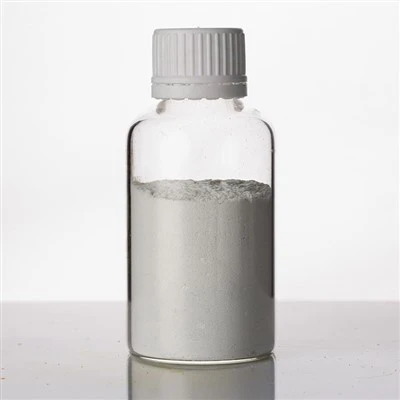
Metarhizium Fungal Acaricide is a high-potency biological crop protection formulation manufactured from selected entomopathogenic fungal spores. Developed specifically to control phytophagous mite infestations in commercial agriculture and greenhouse operations, this bio-acaricide provides targeted suppression of spider mites, rust mites, and broad mites without leaving synthetic chemical residues. It serves as an essential crop protection input in Integrated Pest Management programs and resistance management strategies where conventional chemical acaricides exhibit reduced control efficacy.
Active Microorganism
Microorganism Strain: Metarhizium anisopliae / Metarhizium brunneum
Biological Classification: Hypocreales: Clavicipitaceae
Purity Specification: Free from pathogenic contaminants with spore viability exceeding 90 percent at dispatch.
Strain Characteristics: Selected for rapid hyphal germ-tube penetration through tough pest cuticles and high ambient thermal tolerance during field application.
Biological Mode of Action
Cuticle Attachment: Fungal conidia attach directly to the outer cuticle of target mites upon contact during foliar application.
Germination and Enzyme Secretion: Under suitable humidity, spores germinate and release specialized enzymes including lipases, chitinases, and proteases to break down the host cuticle.
Internal Tissue Colonization: Fungal hyphae penetrate the hemocoel, proliferating internally and disrupting metabolic functions through natural secondary metabolites.
Pest Mortality: Target mites cease feeding within 24 to 48 hours, with full pest mortality occurring within 3 to 5 days.
Secondary Infection Cycle: Under high relative humidity, visible white fungal structures emerge from deceased mites, dispersing new conidia to infect surrounding mite colonies.
Target Mites
Spider Mites
Two-Spotted Spider Mite, Carmine Spider Mite, European Red Mite.
Rust and Gall Mites
Citrus Rust Mite, Tomato Russet Mite.
Tarsonemid Mites
Broad Mite, Cyclamen Mite.
Crops & Applications
Greenhouse Vegetables: Solanaceous crops including tomatoes, peppers, eggplants, and cucurbits under high spider mite pressure.
High-Value Horticulture: Strawberries, berry bushes, and floriculture operations requiring low-residue management prior to harvest.
Fruit Orchards: Citrus, apples, pears, and vineyard crops targeting mite populations resistant to chemical sprays.
Open-Field Crops: Cotton, soybeans, and commercial broadacre crops requiring sustainable pest control inputs.
Product Specifications
|
Specification Parameter |
Technical Standard |
Testing Standard |
|
Active Ingredient |
Metarhizium spores |
Microscopic Quantification |
|
Spore Concentration |
10 Billion CFU per gram (10 Billion CFU per mL) |
Hemocytometer Count |
|
Formulation Type |
Wettable Powder / Oil Dispersion |
CIPAC Standards |
|
Physical Appearance |
Fine Olive-Green / Dark Brown Powder or Fluid |
Visual Inspection |
|
Moisture Content |
5.0 percent maximum |
Karl Fischer Titration / Moisture Analyzer |
|
Suspension Rate |
80 percent minimum |
CIPAC MT 184 |
|
Fineness |
98 percent passing 45 micron mesh |
CIPAC MT 59.3 |
|
PH Range |
5.5 to 7.5 |
CIPAC MT 75.3 |
|
PH Spray Stability |
Stable across pH 4.0 to 9.0 in spray solution |
Internal Quality Assay |
|
Spore Viability |
90.0 percent minimum |
Germination Agar Plate Test (24 Hours) |
|
Non-Target Microbes |
Less than 0.1 percent |
Microbiological Plating Assay |
Formulation & Packaging
Packaging Configurations: 1 kg aluminum foil bags, 10 kg fiber drums, or 25 kg fiber drums with double-layer polyethylene inner liners.
Custom Formulation Support: Bulk container supply available for local re-formulators and brand owners.
Product Shelf Life: 12 months when stored in sealed original packaging at 4 to 8 degrees Celsius; 6 months when stored at room temperature between 20 and 25 degrees Celsius.
Storage Directives: Store in cool, dark, dry conditions away from direct sunlight, thermal sources, and synthetic chemical fungicides.
Technical Documentation
Certificate of Analysis: Provided with every shipment specifying spore count, viability percentage, and moisture parameters.
Safety Data Sheet: Complete toxicological and environmental handling safety documentation compliant with regulatory standards.
Strain Identification Report: DNA sequence validation confirming strain purity and genetic stability.
Tank-Mix Matrix: Detailed application guide covering compatibility with non-fungicidal crop nutrients, bio-insecticides, and agricultural adjuvants.
Supply Capabilities
Manufacturing Scale: Industrial-scale fermentation capacity with continuous spore harvest processing.
Order Volumes: Standard commercial orders start at 100 kg, with flexible bulk options for custom specifications.
Quality Control Assurance: Every production batch undergoes microscopic purity verification, viability tracking, and accelerated thermal stability testing.
Export Logistics: Full cold-chain management, air and ocean freight palletization, and export compliance handling.
FAQ
Q: How does Metarhizium Fungal Acaricide prevent pest resistance development?
A: Unlike synthetic chemical acaricides that target single neurological or metabolic sites, this fungal bio-acaricide utilizes enzymatic cuticle degradation and physical colonization of internal tissues. This biological mechanism prevents target mites from developing genetic resistance pathways.
Q: Can this product be combined with synthetic fungicides in a single spray tank?
A: Synthetic fungicides reduce spore viability upon contact. Do not mix Metarhizium formulations directly with chemical fungicides. Maintain a spray interval of 5 to 7 days between chemical fungicide treatments and bio-acaricide applications. The product remains fully compatible with non-fungicidal crop nutrition and biological pest inputs.
Q: What environmental parameters ensure optimal field performance?
A: Optimal spore germination occurs at ambient temperatures between 20 and 30 degrees Celsius with relative humidity above 60 percent. Foliar applications during early morning or late afternoon reduce UV degradation and improve spore persistence on plant foliage.
Q: How is spore viability maintained during long-distance maritime transit?
A: Shipments utilize temperature-monitored, insulated transport packaging. At ambient temperatures below 20 degrees Celsius, spore viability remains stable for over 6 months. For long-term warehousing, refrigerated storage at 4 to 8 degrees Celsius preserves optimal formulation potency for up to 12 months.
Hot Tags: metarhizium fungal acaricide, China metarhizium fungal acaricide manufacturers, suppliers, factory, Microbial Greenhouse Acaricide