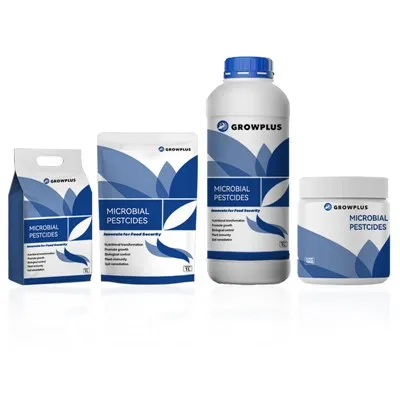
As a supplier of microbial insecticides, I often get asked about the proper way to store these products. It's a crucial question because the effectiveness of microbial insecticides depends significantly on how they're stored. In this blog, I'll share some insights on how to store microbial insecticides to ensure they remain potent and ready for use.
Understanding Microbial Insecticides
First off, let's quickly go over what microbial insecticides are. These are products that use microorganisms like bacteria, fungi, or viruses to control pests. They're a great alternative to chemical insecticides because they're more environmentally friendly and often target specific pests. Some common types of microbial insecticides include Bacillus Thuringiensis Insecticide, Spinosad Pesticide, and Beauveria Bassiana Insecticide.
General Storage Guidelines
Temperature Control
Temperature is one of the most critical factors when it comes to storing microbial insecticides. Most microbial insecticides are sensitive to extreme temperatures. High temperatures can kill the microorganisms in the product, rendering it ineffective. On the other hand, freezing temperatures can also damage the cells of the microorganisms.
For most microbial insecticides, a cool, dry place is ideal. A storage temperature between 40°F (4°C) and 70°F (21°C) is generally recommended. You can use a simple thermometer to monitor the temperature in your storage area. If you live in a hot climate, you might want to consider using a climate - controlled storage unit.
Protect from Light
Light, especially sunlight, can also have a negative impact on microbial insecticides. Ultraviolet (UV) rays in sunlight can damage the microorganisms. So, it's important to store the products in a dark place. You can use opaque containers or store them in a cabinet away from windows. If you're using a storage shed, make sure it has proper shading to keep the products out of direct sunlight.
Keep Away from Moisture
Moisture is another enemy of microbial insecticides. Excess moisture can lead to the growth of mold and other unwanted microorganisms, which can contaminate the product. Make sure the storage area is dry. You can use desiccants like silica gel packets in the storage containers to absorb any moisture. Also, avoid storing the products in areas prone to water leaks, such as basements with a history of flooding.
Specific Storage for Different Types of Microbial Insecticides
Bacillus Thuringiensis Insecticide
Bacillus thuringiensis (Bt) is a bacterium that produces proteins toxic to certain insects. Bt insecticides are usually available in powder or liquid form. For powder formulations, it's important to keep them dry. If the powder gets wet, it can clump together, making it difficult to mix and apply. Store Bt powder in a sealed container in a cool, dry place.
Liquid Bt insecticides should be stored upright to prevent leakage. Make sure the container is tightly sealed to prevent evaporation and contamination. If you notice any signs of separation or sedimentation in the liquid, gently shake the container before use.
Spinosad Pesticide
Spinosad is a natural insecticide derived from a soil bacterium. It's effective against a wide range of pests. Spinosad products are often formulated as liquids. When storing spinosad pesticides, keep them away from heat sources. High temperatures can cause the active ingredient to break down.
Also, make sure to follow the expiration date on the product label. Spinosad has a limited shelf - life, and using an expired product may not provide effective pest control. Store the product in its original container and keep it out of reach of children and pets.
Beauveria Bassiana Insecticide
Beauveria bassiana is a fungus that infects insects. Beauveria bassiana insecticides are usually in the form of spores. These spores are very sensitive to environmental conditions. They need to be stored in a cool, dark, and dry place.
The storage temperature for Beauveria bassiana products is typically around 40°F (4°C). You can use a refrigerator to store small quantities of the product. However, make sure to keep it in a sealed container to prevent it from absorbing moisture from the refrigerator.
Storage Safety
When storing microbial insecticides, safety should be your top priority. Here are some safety tips:
- Separate from Food and Feed: Never store microbial insecticides near food, feed, or other consumables. This can prevent accidental contamination.
- Proper Labeling: Make sure all the containers are properly labeled with the name of the product, its active ingredients, and any safety instructions. This will help you identify the products easily and use them safely.
- Keep Out of Reach: Store the products in a locked cabinet or a storage area that is inaccessible to children and pets. Microbial insecticides, although generally safer than chemical insecticides, can still be harmful if ingested.
Monitoring and Rotation
It's a good idea to regularly monitor your stored microbial insecticides. Check for any signs of damage, such as leaks, cracks in the containers, or changes in the appearance of the product. If you notice any issues, it's best to dispose of the product properly.
Also, practice a first - in, first - out (FIFO) system. Use the oldest products first to ensure that you're not using expired or less - effective products. This will help you get the most out of your inventory and maintain the quality of your pest control efforts.


Conclusion
Proper storage of microbial insecticides is essential to maintain their effectiveness. By following the guidelines on temperature control, protection from light and moisture, and safety measures, you can ensure that your microbial insecticides remain potent and ready for use.
If you're interested in purchasing high - quality microbial insecticides, we're here to help. We offer a wide range of products, including Bacillus Thuringiensis Insecticide, Spinosad Pesticide, and Beauveria Bassiana Insecticide. Feel free to reach out to us for more information and to start a procurement discussion.
References
- Copping, L. G., & Menn, J. J. (2000). Biopesticides: a review of their action, applications and efficacy. Pest Management Science, 56(7), 651 - 676.
- Glare, T. R., O'Callaghan, M., Jackson, T. A., Milner, R. J., & Inglis, G. D. (2012). Microbial control of insect pests: from natural control to commercial application. Annual Review of Entomology, 57, 427 - 449.