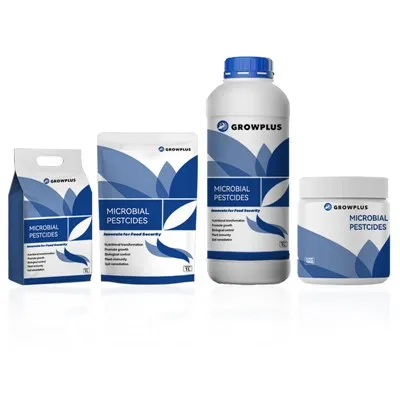
Hey there! As a supplier of microbial pesticides, I've seen firsthand how these little guys can be real game - changers in the world of pest control. But one question that always comes up is, "How do microbial pesticides adapt to different environmental conditions?" Well, let's dive right in and find out.
Understanding Microbial Pesticides
First off, what are microbial pesticides? They're basically products made from microorganisms like bacteria, fungi, and viruses. These microorganisms target specific pests in a more eco - friendly way compared to traditional chemical pesticides. For example, we've got Pseudomonas Fluorescens for Plants, which is great for protecting plants from various fungal diseases.
Adapting to Temperature
Temperature is a biggie when it comes to how well microbial pesticides work. Different microorganisms have different temperature preferences. Some, like certain strains of bacteria, thrive in warmer conditions. They can reproduce faster and be more active in killing pests when the temperature is in the sweet spot, usually around 25 - 30 degrees Celsius.
On the other hand, there are microorganisms that can handle cooler temperatures. Fungi like Harzianum can still be effective in cooler climates. They've evolved to be able to survive and function in lower temperatures, which is super useful for farmers in regions with colder weather.
But what happens when the temperature gets extreme? Well, it can be a bit of a challenge. If it's too hot, the microorganisms might die off or become less active. High temperatures can denature proteins in the microorganisms, which are essential for their survival and function. On the flip side, if it's too cold, their metabolic processes slow down, and they might not be able to reproduce or infect pests as effectively.
Dealing with Humidity
Humidity also plays a crucial role. Microbial pesticides often need a certain level of moisture to survive and spread. For example, many fungal pesticides rely on high humidity to germinate and grow. When the air is moist, the spores of these fungi can easily attach to the pests and start the infection process.


In dry conditions, though, it's a different story. The spores might dry out and lose their viability. That's why in arid regions, we might need to use different application methods or choose microorganisms that are more drought - tolerant. Some bacteria, for instance, can form protective structures called endospores that allow them to survive in dry environments until conditions improve.
Soil Conditions
Soil is like the home for many microbial pesticides. The type of soil, its pH level, and nutrient content can all affect how well these microorganisms work. For example, Bacillus Puilus Microbial Fungicide can be influenced by soil pH. It tends to work better in slightly acidic to neutral soils.
If the soil is too alkaline or acidic, it can disrupt the normal functioning of the microorganisms. Also, the presence of certain nutrients in the soil can either promote or inhibit the growth of microbial pesticides. Some microorganisms need specific nutrients to thrive, and if those nutrients are lacking, their effectiveness might be reduced.
Sunlight Exposure
Sunlight can be both a friend and a foe to microbial pesticides. On one hand, some microorganisms need a certain amount of sunlight to carry out photosynthesis or other metabolic processes. But on the other hand, too much sunlight can be harmful. Ultraviolet (UV) rays in sunlight can damage the DNA of the microorganisms, leading to their death or reduced activity.
To protect against sunlight, we can use formulations that include UV - protectants. These can help shield the microorganisms from the harmful effects of the sun and ensure that they remain effective for longer periods.
Wind and Rain
Wind and rain can have a big impact on the application and effectiveness of microbial pesticides. Wind can blow the pesticides away from the target area, reducing their coverage. This is especially a problem when applying microbial pesticides in open fields.
Rain, on the other hand, can wash the pesticides off the plants or dilute them. If it rains soon after application, the microorganisms might not have enough time to establish themselves on the plants and start working. To deal with this, we can choose the right time for application, like when there's no rain forecasted for a few days.
Adaptation Strategies
Microorganisms have some pretty amazing adaptation strategies. They can mutate over time to better suit the environmental conditions. For example, if they're constantly exposed to a certain temperature or humidity level, they might develop genetic changes that allow them to survive and function more effectively.
We, as suppliers, also play a role in helping microbial pesticides adapt. We can develop formulations that are more resistant to environmental stress. For example, we can encapsulate the microorganisms in a protective coating that shields them from extreme temperatures, sunlight, and other factors.
Why Choose Microbial Pesticides?
Despite the challenges of adapting to different environmental conditions, microbial pesticides offer a lot of benefits. They're more environmentally friendly, as they don't leave behind harmful residues like chemical pesticides. They're also often more specific in their target, which means they don't harm beneficial insects and other organisms.
Contact for Purchase
If you're interested in learning more about our microbial pesticides or want to discuss a purchase, don't hesitate to reach out. We're here to help you find the right solution for your pest control needs, no matter what environmental conditions you're dealing with.
References
- Smith, J. (2020). Microbial Pesticides: A Review. Journal of Agricultural Science, 12(3), 45 - 56.
- Johnson, A. (2019). Environmental Factors Affecting the Efficacy of Microbial Pesticides. Pest Management Journal, 8(2), 78 - 89.
- Brown, C. (2021). Adaptation Strategies of Microorganisms in Microbial Pesticides. Microbiology Today, 15(4), 23 - 32.